Famous Stamps
The Most Valuable Stamps in the World
A collector-intelligent guide to famous philatelic rarities and what makes them valuable.
Last updated: July 2026
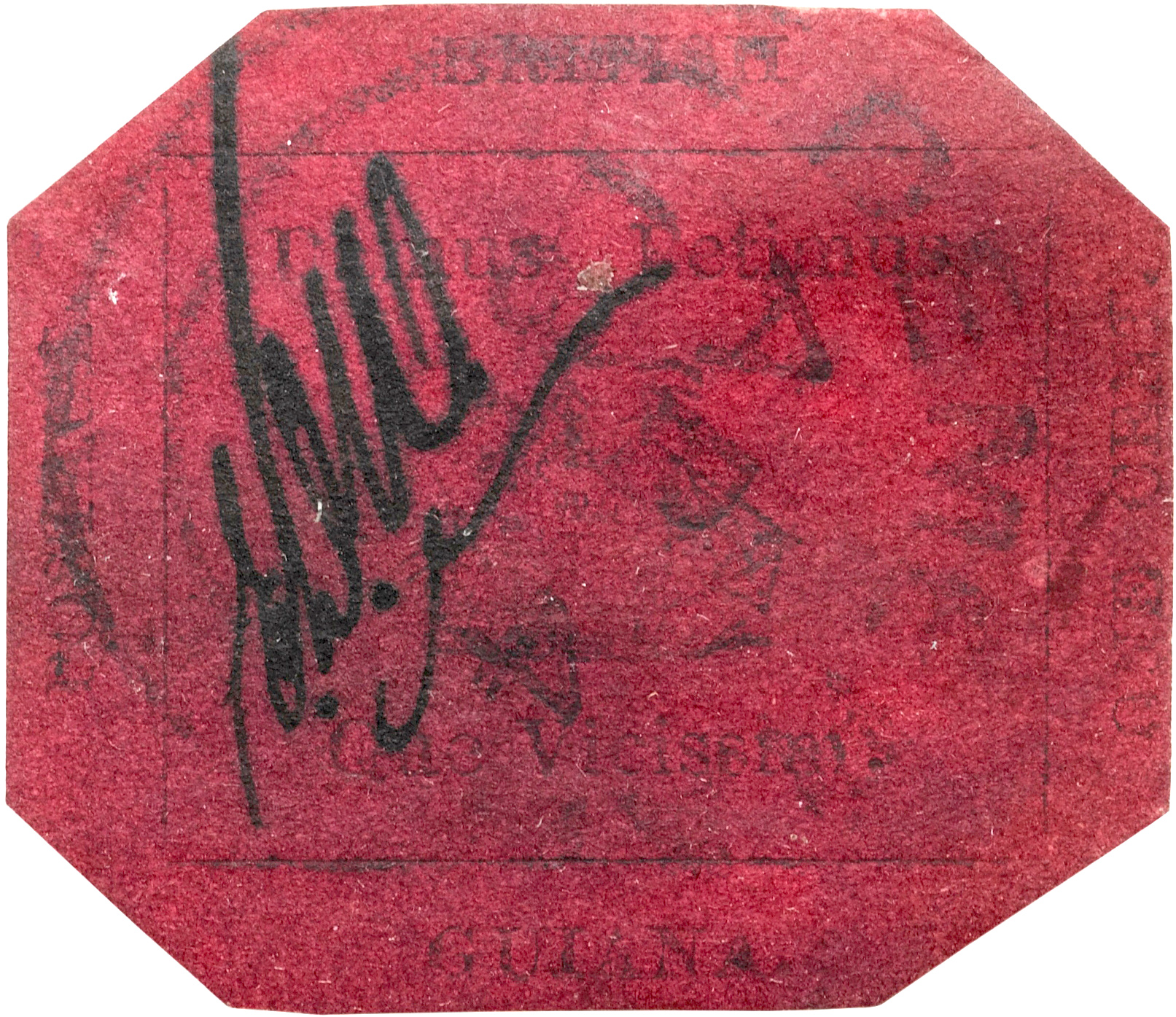
1c Magenta
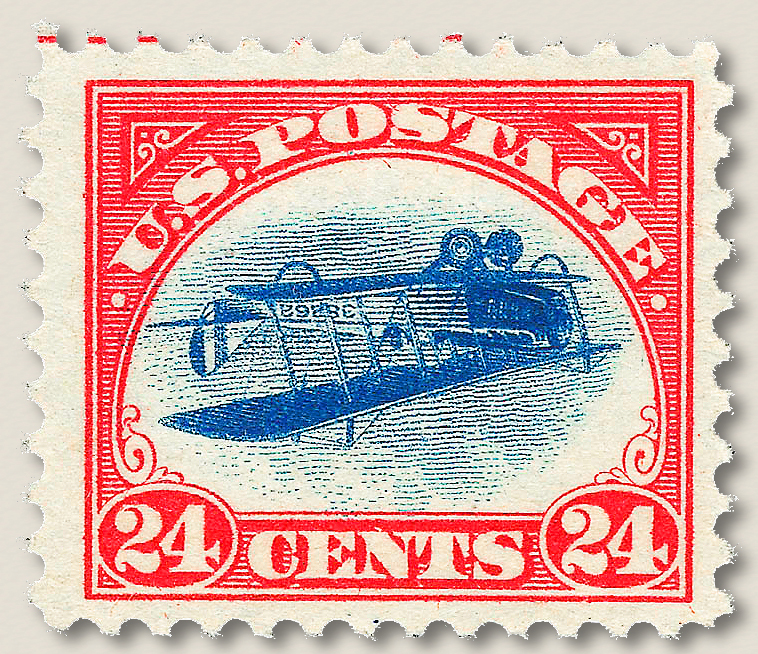
Inverted Jenny
1c Z Grill
Some stamps have sold for extraordinary sums, but the world's most valuable philatelic items are not valuable simply because they are old. Rarity, condition, provenance, error status, postal-history context and collector demand all matter. This guide introduces famous valuable stamps and explains what ordinary collectors can learn from them.
Quick answer: what are the most valuable stamps?
The most valuable stamps and philatelic items are usually famous rarities combining scarcity, condition, provenance and demand. Examples often discussed by collectors include the British Guiana 1856 One-Cent Magenta, Mauritius "Post Office" rarities, Sweden's Treskilling Yellow, the United States Inverted Jenny, the 1c Benjamin Franklin Z Grill, Hawaiian Missionaries, Canada's 12d Black and China's Red Revenue issues.
This is not a simple price list. Some record-setting philatelic items are single stamps, while others are blocks or covers. Public auction results, private sales, buyer's premiums, currency conversion and market timing all affect rankings.
Finding an old stamp does not mean finding a rare stamp. Most inherited collections contain common material, but careful checking is still worthwhile before selling, soaking or discarding anything.
Ten famous valuable stamps and philatelic rarities
The examples below are famous because they show the qualities that drive high philatelic value: rarity, history, condition, provenance, postal use, printing errors and collector demand.
Each figure below is a featured historical auction result for the specific stamp, block or cover named. It is not a current valuation of every example. Auction reporting may include a buyer's premium, while private transactions and later sales may not be publicly disclosed.
British Guiana · 1856
1. British Guiana 1856 One-Cent Magenta
Why it matters
Often described as the world's most famous stamp rarity, the British Guiana 1856 One-Cent Magenta is the sole-surviving example of its value. It was produced locally after a shortage threatened the colony's normal supply of postage stamps. Its extraordinary importance comes from uniqueness, documented provenance and more than a century of international recognition.
Collector lesson
Extreme value comes from uniqueness, provenance and recognition. Ordinary-looking stamps can be important, but only when identification and provenance are secure.
Mauritius · 1847
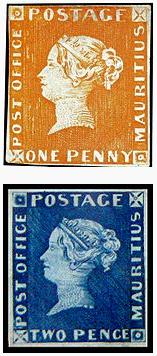
2. Mauritius 1847 "Post Office" issues
Why it matters
The Mauritius "Post Office" stamps are among the great classic rarities of world philately. The distinctive inscription gave the issue its familiar name. It was once widely described as an engraving mistake, but the wording replicated language already used on a Mauritian postal datestamp and is not now treated as a simple accidental substitution for "POST PAID". Famous covers bearing the issue include the unique Bordeaux cover, which carries both values.
Collector lesson
Postal history can be more valuable than a loose stamp. Covers may preserve date, route, rate, usage and historical context that greatly increases significance.
Sweden · 1855
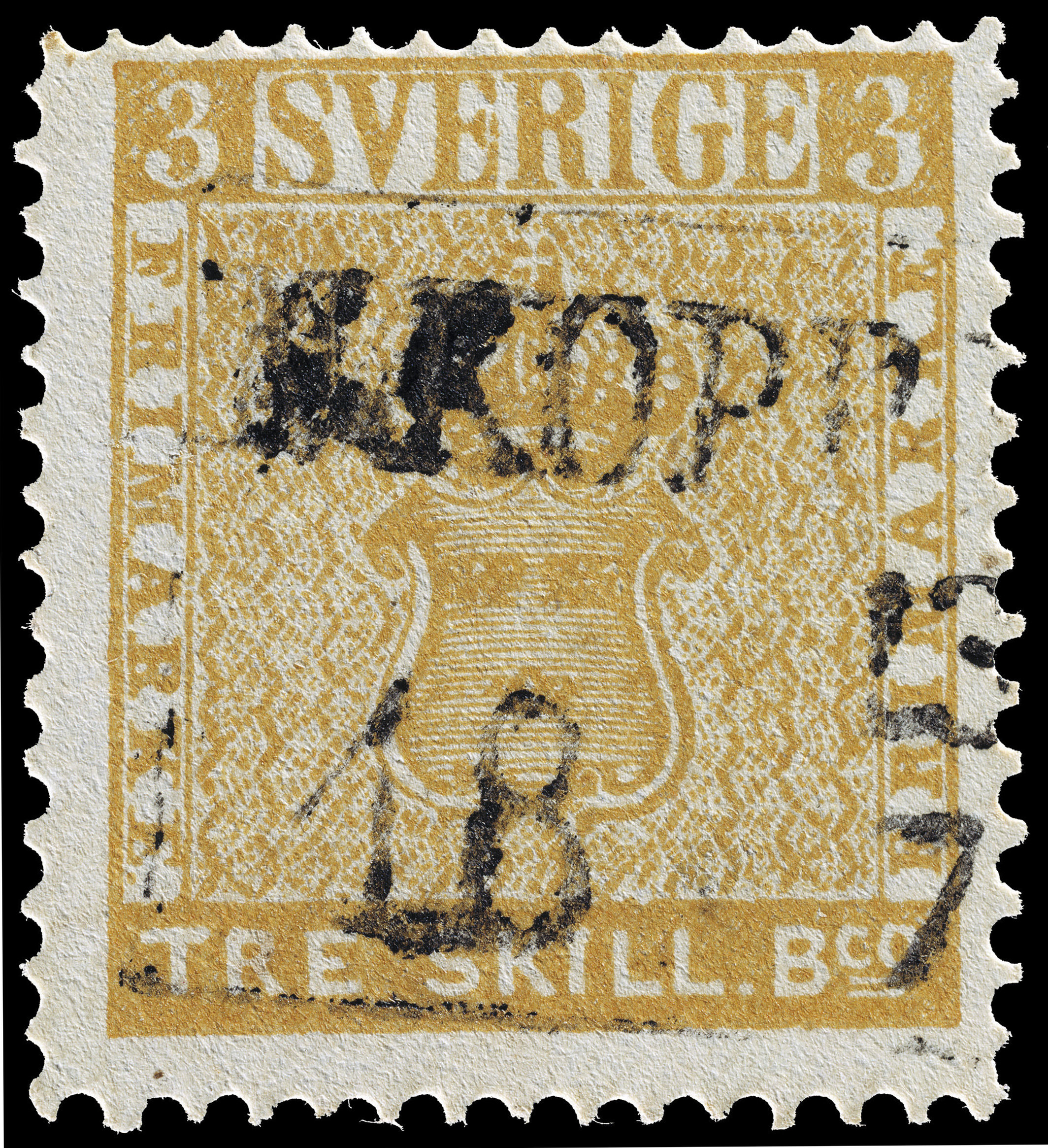
3. Sweden 1855 Treskilling Yellow
Why it matters
The Treskilling Yellow is a legendary colour error. The three-skilling stamp should have been printed in a blue-green colour. Only one example of this error in yellow is known. Its discovery, auction history and successive private sales have made it one of the most famous European stamp rarities.
Collector lesson
A genuine major colour error can be extremely valuable, but most supposed "errors" encountered by ordinary collectors are actually colour fading, chemical change, damage, printing variation or misidentification.
United States · 1918
4. United States 1918 Inverted Jenny
Why it matters
The Inverted Jenny is one of the most famous stamp errors in the world. The blue Curtiss JN-4 biplane was printed upside down on a 24-cent airmail stamp. Only one sheet of 100 error stamps reached collectors. Individual examples and positional pieces are among the most sought-after American stamps.
Collector lesson
Famous errors need expert confirmation. Design, centring, gum, position, provenance and expertising certificates all affect value. A stamp that looks like an Inverted Jenny almost certainly is not.
United States · 1918
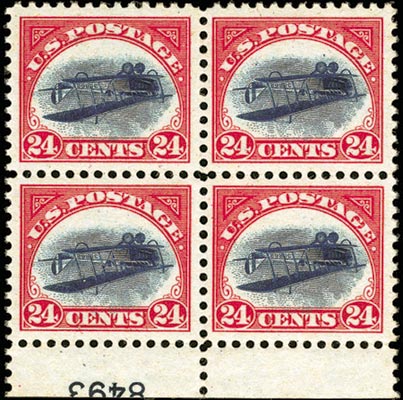
5. United States Inverted Jenny Plate Block
Why it matters
The Inverted Jenny plate-number block is the unique surviving plate-number multiple from the original error sheet. It comprises positions 87, 88, 97 and 98 and retains the lower sheet margin and blue plate number 8493. The block preserves production and positional information that cannot be shown by an individual stamp.
Collector lesson
Blocks, marginal markings and plate numbers can matter significantly. Do not separate multiples or cut down material before seeking specialist advice.
United States · 1868
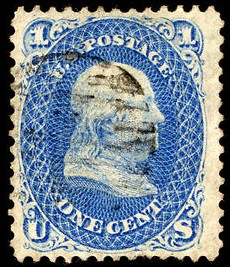
6. United States 1868 1c Benjamin Franklin Z Grill
Why it matters
The one-cent Z Grill is one of the great United States stamp rarities. A grill is an embossed pattern that disturbed the paper fibres so cancellation ink penetrated more deeply, making fraudulent cleaning and reuse harder. Only two examples of the one-cent Z Grill are recorded. One belongs to the Benjamin K. Miller collection of the New York Public Library and has been exhibited at the Smithsonian National Postal Museum.
Collector lesson
Some rarities depend on technical production features — watermarks, grills, perforations, paper, gum and printing details — that a beginning collector may not notice at first glance.
Hawaii · 1851–1852
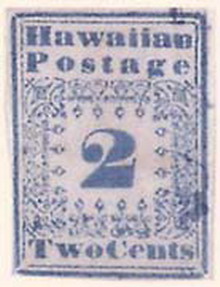
7. Hawaiian Missionaries
Why it matters
The Hawaiian Missionaries were the first postage stamps issued by the Kingdom of Hawaii. They were printed on fragile, thin paper, and surviving examples are important in almost any condition. The featured result was for the recorded unused 2¢ value; covers and other denominations are separate philatelic items with their own histories and values.
Collector lesson
Fragile classic stamps can be heavily repaired or damaged. Condition, authenticity and expert opinion are especially important for early primitive issues.
Canada · 1851
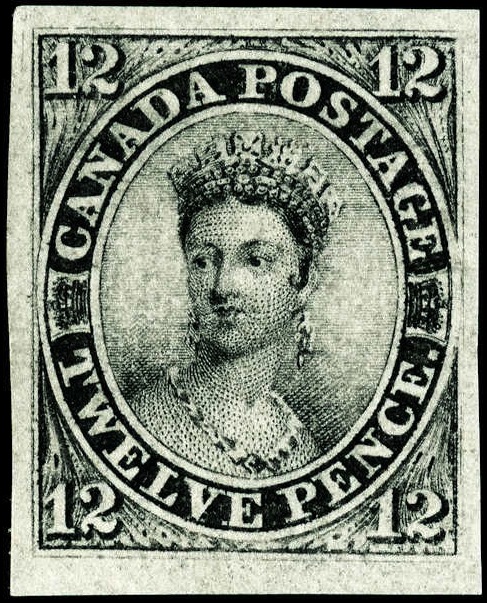
8. Canada 1851 12d Black
Why it matters
Canada's 12d Black is one of the classic rarities of British North America. Its high face value, early date and limited postal use contributed to its scarcity. The featured auction result was for the exceptional mint never-hinged single known as "The Black Empress"; its gum, margins and condition distinguish that specimen from ordinary examples.
Collector lesson
Country classics can be valuable when scarcity, collector demand and condition combine. Specialist catalogues and expertising matter for key British North American issues.
German States — Baden · 1851
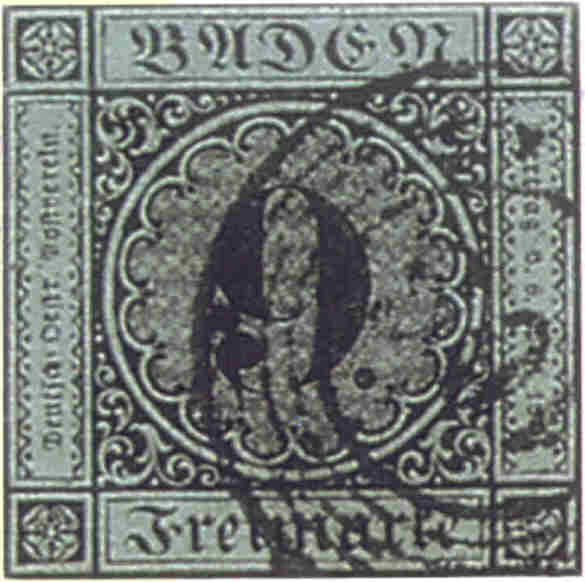
9. Baden 1851 9 Kreuzer Error
Why it matters
The Baden 9 Kreuzer is one of the classic colour errors of the German States. The 9 Kreuzer denomination was printed on blue-green paper intended for another value. Only a handful of genuine examples are recorded. The featured 2008 auction result was for the unique unused example; other established examples are used.
Collector lesson
Colour errors are one of the most misunderstood areas of stamp collecting. Fading, chemical change, different light conditions and damage can mislead collectors. Genuine errors require careful confirmation.
China · 1897
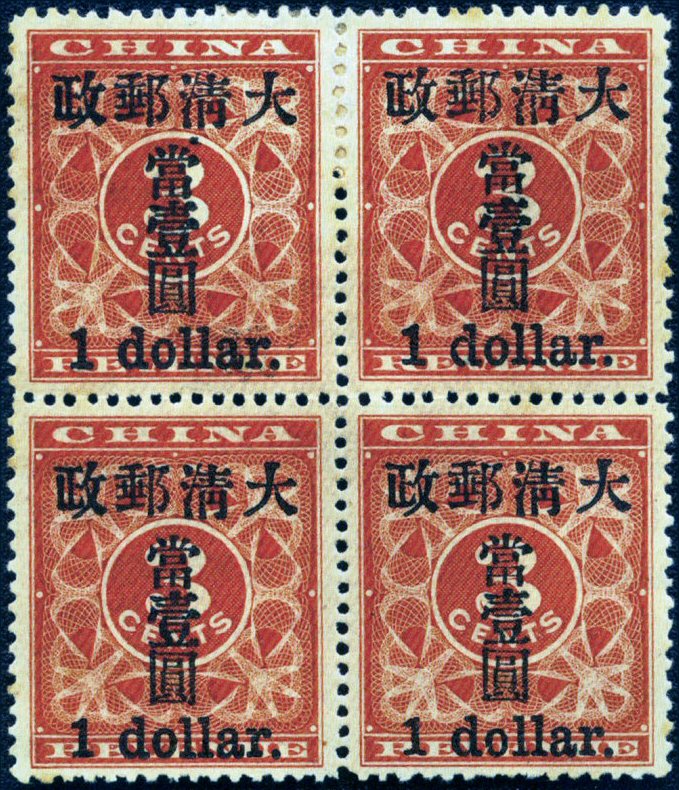
10. China 1897 Red Revenue Small One Dollar
Why it matters
China's Red Revenue issues were revenue stamps provisionally overprinted for postal use in 1897 while new postal stamps were being prepared. The Small One Dollar is especially scarce and is one of the best-known rarities of Chinese philately.
Collector lesson
Overprints and surcharges require careful authentication. Forged, altered or poorly applied overprints are a major risk in valuable areas. Certificates are important for key Chinese philatelic material.
Why are some stamps worth millions?
The most valuable stamps usually combine several factors. Rarity alone is not always enough — a stamp also needs collector demand, secure identification and a strong reason for collectors to care. A unique stamp with famous provenance can become a trophy object. A common damaged stamp from the same era may have little value.
Rarity
Some stamps are valuable because very few survive. Others are rare only in a specific condition, shade, watermark, perforation, cancellation or usage. Rarity without demand, however, is not always enough on its own.
Why most old stamps are not worth a fortune
Many people find old stamps and hope they are rare. Most are not. Stamp collecting was popular for generations, and many stamps were printed in very large quantities. Age alone does not create value.
Lower-value signals often include:
- –modern commemorative stamps produced in large quantities;
- –common used definitives with no specialist significance;
- –damaged stamps — torn, thinned, creased, faded or missing perforations;
- –stamps stuck directly to album pages;
- –mass-produced first day covers from commemorative issues;
- –incomplete beginner "all world" albums;
- –loose mixed bags of common worldwide stamps.
This does not mean a collection is worthless. It means value must be checked through identification, condition and market evidence rather than assumption.
Related guide
How to Value a Stamp CollectionHow to check whether your stamp might be valuable
If you think you have a valuable stamp, slow down and gather evidence before taking action.
Do not remove it from an envelope or album page
Postal context and original position can matter. Soaking, peeling or separating before seeking advice may destroy information or reduce value.
Create clear front-and-back images
For a loose stamp that can safely lie flat, make clear colour scans of the complete front and back. A flatbed scanner usually provides more even lighting and a squarer image than a handheld camera. Use photography for complete covers, stamps still mounted in albums, fragile or curled material, and for showing texture, embossing, faults or repairs under angled light. Keep the original images unedited. Do not use colour filters, automatic restoration or sharpening to hide or exaggerate details.
Watermarks require separate examination
A normal scan or photograph may not reveal a watermark. Watermark identification can require safe backlighting, a dry detector, approved specialist fluid or expert examination.
Note country, date, denomination and design
Record what you can see: issuing country, face value, portrait or design, any inscriptions, and approximate date.
Check condition carefully
Use a magnifying glass and good light. Look for centring, perforations, gum, faults, repairs, thinning, stains and cancellations.
Look for certificates, dealer notes, or catalogue references
Old expertising certificates, auction descriptions, dealer invoices or catalogue pen-markings in albums can all help confirm identification.
Compare with trusted catalogues and sold-market evidence
Catalogues help with identification. Sold auction results — not just asking prices — give realistic market context. A featured auction result applies only to the exact item sold. Condition, provenance, whether the item is a single stamp, pair, block or cover, and whether the reported figure includes a buyer's premium all affect the result. It should not be applied automatically to another example.
Be cautious with online asking prices
An asking price is not a sale price. One online listing does not confirm a market value.
Seek expert advice for expensive or suspicious items
For stamps that could be rare, forged, altered or difficult to identify, a specialist dealer, auction house or expertising body is the right route. StampSeeker does not appraise or authenticate stamps.
Do not rely on one image search or one online listing. Valuable stamps are often forged, altered, repaired or misdescribed. When something looks potentially significant, expert confirmation matters.
What collectors can learn from famous rarities
The world's most valuable stamps teach practical lessons that apply at every level of collecting:
- ‣Keep covers intact — do not separate stamps from envelopes.
- ‣Preserve blocks and multiples — do not split or cut them.
- ‣Keep certificates, old invoices and auction cards.
- ‣Do not clean, repair or flatten stamps.
- ‣Condition matters — even for rare material.
- ‣Provenance matters — a clear ownership history builds trust.
- ‣Specialist knowledge matters — errors are often misidentified.
- ‣Famous names attract forgeries and exaggerated claims.
How StampSeeker can help
StampSeeker is not an appraiser, dealer or expertising body. It cannot authenticate a stamp or confirm that a stamp is genuine. It is a search and discovery tool for philately.
Use StampSeeker to:
- ‣search current live listings;
- ‣compare how similar stamps are described by sellers;
- ‣discover relevant catalogues and collecting guides;
- ‣find auction-house routes for stronger material;
- ‣learn when expertising or certificates may matter;
- ‣explore related searches and collecting areas.
Frequently asked questions
What is the most valuable stamp in the world?
The British Guiana 1856 One-Cent Magenta is often described as the world's most famous and valuable single stamp. However, rankings can vary depending on whether covers, blocks, buyer's premiums, private sales and currency conversions are included.
Are old stamps always valuable?
No. Age alone does not make a stamp valuable. Condition, scarcity, collector demand, identification, postal history and authenticity all matter. Most old stamps have modest value.
Are stamps on envelopes worth more?
Sometimes. Older covers can preserve postal-history information such as date, route, rate, cancellation and destination that may add significant context and value. Do not remove stamps from envelopes before seeking advice.
How do I know if a stamp is rare?
Start with country, date, design, denomination and condition. Then compare catalogue references and sold-market evidence. For potentially expensive items, seek specialist advice or expertising certification.
Can a damaged rare stamp still be valuable?
Sometimes, especially for items of very great rarity where any example is important. But damage usually reduces value significantly. Repairs, thins, tears, fading and missing perforations all matter and must be disclosed.
Should I get a certificate for a stamp I think is valuable?
For common stamps, usually not. For rare, expensive, forged, altered, or difficult-to-identify items, a recognised certificate from a reputable expertising body can be important before buying or selling.
Final advice
Famous rare stamps are exciting, but they are exceptions. Most collectors will never find a British Guiana 1c Magenta or an Inverted Jenny in a family album. That does not make ordinary collections worthless — it means the best approach is careful: preserve material, learn the basics, compare evidence, and seek specialist advice when something looks genuinely promising.
Start with what you know: country, stamp name, issue, catalogue number or collecting area. Search StampSeeker to compare listings, discover guides and find the next route into the hobby.
Sources and further reading
Sources support factual verification only. Their wording, auction descriptions, photographs, catalogue content and proprietary presentation must not be copied unless separate reuse permission or a valid open licence exists.
- ‣Sotheby's — British Guiana One-Cent Black on Magenta, 2021 lot
- ‣Sotheby's — The Inverted Jenny Plate Block, 2021 lot
- ‣David Feldman — The Bordeaux cover of Mauritius
- ‣Mauritius Post — Postal Museum and the 1847 "Post Office" issue
- ‣David Feldman — Recorded Bordeaux-cover and Treskilling Yellow results
- ‣Robert A. Siegel Auction Galleries — Inverted Jenny 2023 result
- ‣Robert A. Siegel Auction Galleries — 2024 one-cent Z Grill result
- ‣Robert A. Siegel Auction Galleries — Census of the unused 2¢ Hawaiian Missionary
- ‣Spink Shreves sale archive — The Black Empress of Canada
- ‣ArtDaily — Interasia 2013 Red Revenue Small One Dollar result